
Screen Fatigue Is Real: How to Optimize Audio Language Learning Without Staring at Your Phone
The term “screen time” has created quite a buzz in recent years. Numerous studies illustrate the negative effects of computer screens, tablets, and smart phones. One study showed that teenagers who spent at least two hours a day in front of a screen were at serious risk of depression, weight gain, and poor sleep.
For language learners, this is a potential concern. With work, social media, and even things like grocery shopping keeping our attention on computers and phones, most of us are already spending a significant amount of time glued to screens. Adding language learning on top of that can start to feel like a chore.
But here’s the good news: learning a new language doesn’t have to mean more screen time. In fact, screen-free language learning can be one of the most effective ways to make real progress – especially if you’re feeling burned out.
And if you’re learning a new language with Pimsleur®, there’s more good news – our program doesn’t require countless hours of screen time. Our approach is rooted in listening and learning, and features like our hands-free driving mode are available in the Pimsleur app to help reduce screen time…and screen fatigue.
Let’s break down why audio language learning doesn’t have to be 100% screen dependent, and how you can make it work for you.
What Is Screen Fatigue and Why Does It Matter for Learners?

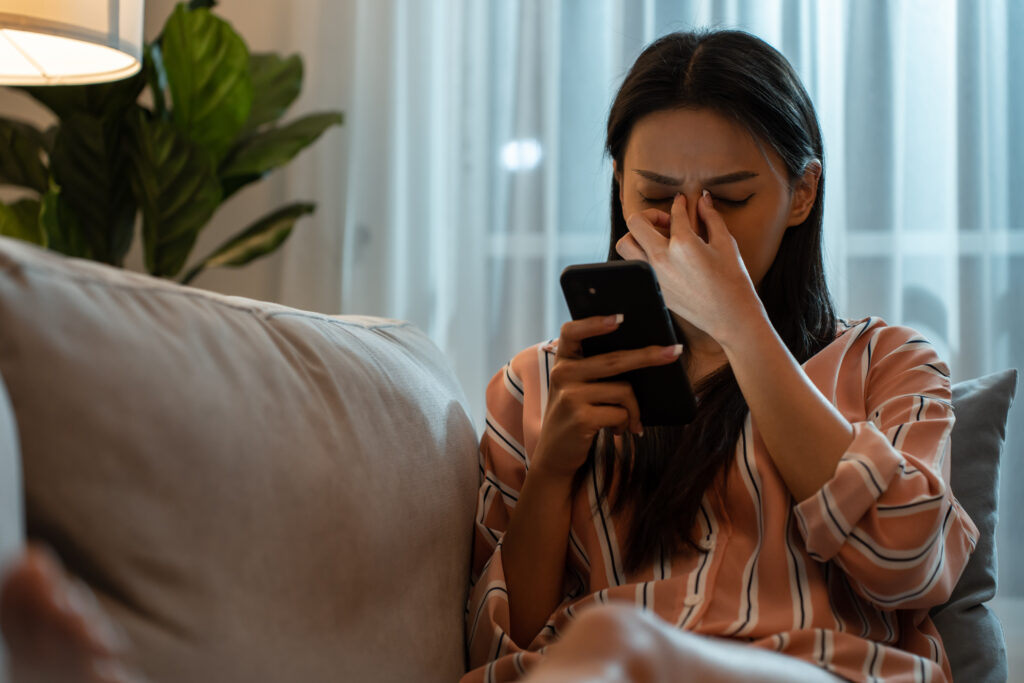
Screen fatigue is exactly what it sounds like: mental and physical tiredness from too much time looking at screens. Your eyes feel strained. Your focus slips. Even simple tasks start to feel harder than they should.
For language learners, this matters more than you might think. Learning a language takes focus, memory, and repetition. When your brain is already worn out from screen overload, it’s harder to stay motivated and interested. Plus, it’s nearly impossible to retain what you’ve learned and apply that knowledge to future lessons.
That’s where hands-free language learning comes in. Instead of forcing yourself to push through another app session, you give your brain a different way to learn – one that feels lighter, nimbler, and more natural.
How Screen Overload Affects Concentration and Memory
When you’re staring at a screen, your brain is doing a lot of extra work. You’re processing visuals, reading text, and often dealing with distractions like notifications. Another study showed how excessive screen time disrupts something called event segmentation, which enables your brain to process and fully comprehend information.
All of that splits your attention. When this happens, you might recognize words in the moment, but they don’t always transfer to your long-term memory, and this could hinder your ability to actually speak the language.
With audio language learning, things work differently. You’re not scanning or tapping – you’re listening and responding. That allows your brain to focus on two key skills: understanding spoken language and the ability to speak the language conversationally. Those oral and aural abilities are what the Pimsleur Method™ focuses on.
This kind of focused attention helps improve retention. You’re more likely to remember what you hear and speak with confidence because your brain isn’t juggling as many inputs at once.
Can You Actually Learn a Language Without Looking at Your Phone?
You learned your first language without screen time. When you learned your native tongue, you didn’t start by reading, you started by listening. You heard words, repeated them, and slowly built those language elements that set you up for fluency: context, pronunciation, comprehension, rhythm, and sentence structure.
Audio-based language learning operationalizes that same natural process.
Today, too many people rely solely on extensive screen time – and in some cases, assistance from AI tools. Get rid of the phone or computer screen, and you eliminate the temptation to “cheat” by reading instead of truly listening. You train your ear, your pronunciation, and your ability to respond in real time.
That’s why audio-only language learning can feel challenging at first – but incredibly effective over time.
Audio-First Courses: The Best Method for Screen-Free Language Learning
If you’re serious about cutting back on screen time, an audio-first approach is your best bet.
With audio language learning, you can learn while doing things you already do every day:
- Driving to work
- Walking the dog
- Cooking dinner
- Doing a workout
- Folding laundry
This is the heart of hands-free language learning. Instead of adding another task to your already busy schedule, you’re layering learning into your daily routine. And because you’re actively listening and responding, you’re not in passive learning mode; you’re fully involved and engaged the whole time, just without the screen.
Many learners discover that screen-free language learning feels less stressful and more sustainable. And best of all, it’s not boring. Audio-based language learning doesn’t feel like a chore – you’ll actually enjoy these ad hoc sessions without the added stress on your eyes.
What Happens in Your Brain When You Learn by Listening
When you focus on listening, your brain starts to build stronger connections between sounds and meaning. It’s the classic input-output dynamic. Before you can speak a new language (output), you have to hone your aural skills by hearing native speakers, anticipating what to say next, and listening to the subtleties of your target language (input).
Instead of translating in your head, you begin to understand the language directly. That’s a big shift, and it’s critical to becoming a conversational speaker.
Audio only language learning also improves your pronunciation. You’re hearing the rhythm, pace, tone, and cadence of real speech, not just reading words on a page. Over time, your brain gets faster at recognizing patterns. You start to predict what’s coming next in a sentence, and interactions feel smoother and more natural.
This is one reason screen-free language learning is so powerful. It trains your brain the way real communication works, with enhanced oral and aural skills, not just reading or doing endless grammar or vocabulary exercises.
How to Build a Screen-Free Language Learning Routine That Works
Small steps can result in huge progress. Shorter sessions of hands-free language learning every day are far better than one long session once a week.
Build these daily habits to increase your confidence while learning a new language:
- Repeat phrases out loud as you hear them
- Pause and try to answer before the speaker does
- Review key phrases mentally later in the day
Finally, be patient with yourself. This method can feel different at first, especially if you’re used to screen-focused learning. And mistakes will certainly happen. But give it time, and you’ll start to notice real progress – better listening, clearer speaking, and robust recall.
Cutting back on screen time doesn’t mean giving up on learning something new. In fact, it might be exactly what you need to learn more effectively. When it comes to your language-learning goals, think of reducing your screen time as addition by subtraction.
Pimsleur’s platform is rooted in listening and speaking and includes screen-free language-learning tools, like our helpful audio-only driving mode. Sign up today – you’re closer to speaking a new language than you realize, and you don’t need to spend endless hours glued to your phone or computer.