Memory and Language Learning: How Pimsleur Helps You Retain What You Learn
Any new language learner has probably encountered this problem while acquiring their new language: you study a language for hours, even days, only to forget most key concepts when you take a break for a few days.
If this has happened to you, you’re not alone – this is a common hurdle! To clear this hurdle, it helps to understand the fundamental mechanics at play. Below, we’ll discuss the ties between memory and language as well as how certain educational approaches better strengthen those ties.
The Relationship Between Language and Memory
The connection between memory and language is more important than most people think. After all, when you’re starting your learning journey, you’re focused on speaking and listening to the language’s rhythm, pronunciation, vocabulary, and all the little details that make up a language. You might not be focusing on relating those pieces to your memory.
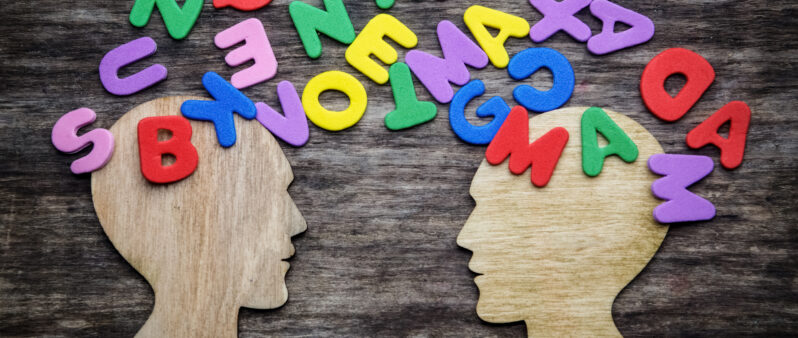
Memory and language work together – memory stores language and language helps organize memory.
This dynamic bond between language and memory is a critical factor to help you retain newfound knowledge, bolster short-term and long-term memory, and eventually become a conversational speaker. In fact, one of the benefits of learning a new language is enhanced memory, both short- and long-term. Pimsleur® recognizes this vital connection, and our courses are intentionally crafted with this in mind.
The Pimsleur Method™ is rooted in core concepts that improve memory skills while you’re learning, aligning with and supporting how language and memory in the brain naturally work. With the Pimsleur app, you won’t get bogged down or overwhelmed with sentence structure rules or vocabulary lists. Instead, you’ll focus on organically learning through Graduated Interval Recall, building from a core vocabulary, utilizing the Principle of Anticipation, and relying on oral and aural (speaking and listening) skills.
Why Traditional Study Methods Don’t Concentrate on Memory Retention

Numerous language-learning platforms claim you’ll learn a new language with them, but they often fall short…especially those that rely on more traditional learning models. This is partly due to a lack of emphasis on memory and language acquisition.
Here are a few reasons why language and memory fail to click with traditional learning systems:
- Memorization overload. Vocabulary flashcards with little or no context. Endless reading. Rote grammar lessons. Without context, there is little room to make real connections. Our brains rely not only on exposure to new information, but also actively retrieving it in our memory to strengthen new neural pathways. In other words, learning a language requires you to actively reach for and use new language learning in authentic ways.
- The cram factor. Remember cramming for tests in high school? Oftentimes, these last-minute, stressful sessions failed to produce that much-coveted “A”. That’s because only short-term memory is activated. The same principle applies to language learning: without meaningful long-term memory, you’ll soon forget what you learned. Cramming? That’s simply short-term recall without moving that information to long-term memory. Our long-term memory needs more than a one-time cram session to cement new information.
- Lack of practical, real-world conversations. Quick, on-the-fly listening, speaking, and responding are essential for learning a new language. That’s because they constantly ask your brain to recall key concepts, phrases, pronunciation, and intonation in real time. When you’re focused on only building vocabulary or only reading, your brain misses out on opportunities to link memory and language learning. This is part of why many language learners note that they can understand a language, but not speak it effectively. Finding opportunities to challenge your brain to retrieve new information in real time helps move new information from short- to long-term memory.
Now that we know where more traditional methods miss the mark, let’s explore which approaches succeed in leveraging that memory and language connection for long-term competence.
Repetition, Graduated Interval Recall & More for Memory and Language Retention
In order to achieve conversational speaking competence, you need learning techniques that improve language learning and memory over time. This is where Pimsleur stands out.
One of the core aspects of the Pimsleur Method is Graduated Interval Recall (an application of spaced repetition), which prompts you to recall words at increasing intervals—just before you’re likely to forget. This is much more effective than rotely memorizing words. Pimsleur’s seamless implementation of Graduated Interval Recall, leverages your brain’s need to stretch and exercise in order to solidify new neural pathways. When memory-making pathways are strengthened, the connection between language and memory in the brain strengthens.
The Principle of Anticipation functions in a similar way and is woven throughout Pimsleur’s courses. Core audio lessons ask learners to listen, pause for understanding, generate a response, and then compare their response to a native speaker’s. This process activates new connections in the brain, helping move new information from short- to long-term memory.
Core Vocabulary, another tenet of The Pimsleur Method, also prioritizes memory and retention over rote memorization or cramming. Rather than flooding your brain with an overwhelming amount of new words and phrases, Pimsleur starts with a core set of highly-applicable vocabulary learned in context. This design allows the brain to focus on this core set, cement it to memory, and create a framework for future vocabulary to attach themselves to. Just another way Pimsleur supports the way our brains most efficiently take in new information and bring it to long-term memory.
Finally, to additionally support your language and memory skills, Pimsleur uses sensory involvement. By constantly listening and speaking, you’re using multiple key areas of your brain, while simultaneously building memory. Hearing a new phrase and repeating it out loud is a proven technique to use memory and recall to make the link between memory and language more meaningful and robust.
Graduated Interval Recall, combined with other Pimsleur Method principles, gives you a comprehensive framework and support system to learn any language and speak it confidently within weeks to months.
Why Pimsleur’s Science-Based Techniques Work

The Pimsleur Method isn’t just intuitive; it’s grounded in science. Developed by Dr. Paul Pimsleur, the system leans heavily on research that explains how memory forms and strengthens over time. In many ways, the Pimsleur Method was developed with core components in place to associate language and memory in the brain.
Dr. Pimsleur knew constant retrieval of words and phrases improves memory, especially when our brain is working to anticipate what might come next. With that in mind, our courses and lessons are designed with “desirable difficulty,” optimizing language and memory development. Like any other learning journey, there will be mistakes along the way, but Pimsleur’s course structure keeps you on track.
Pimsleur’s technique of natural language use is also fundamental to the Pimsleur Method. Similar to how you learned your native language as a child, Pimsleur’s focus on listening and speaking in context parallels how language and memory in the brain evolved, with an emphasis on practical communication, not memorization or studying.
Train Your Memory to Master Any Language with Pimsleur
With our scientifically-proven instructional techniques, Pimsleur’s goal is to ensure your memory skills lead to rapid, fun-to-learn language acquisition. You won’t forget what you learned last week or last month; instead, the Pimsleur Method ensures each new word or phrase reinforces the last. And forget passive learning; Pimsleur keeps you active and engaged as you work toward conversational competence.
Ready to train your brain the right way to acquire any language? Get started with Pimsleur today!