
Useful Swahili Words and Phrases for Safari Travelers
Sometimes, a language learning journey meshes perfectly with an actual journey. Case in point: an unforgettable safari to East Africa.
But before you pack up and head out on this once-in-a-lifetime adventure, it’s helpful to familiarize yourself with some Swahili words and phrases to get the most out of your experience. Swahili is the unofficial safari language, as it’s spoken prominently in Kenya and Tanzania, two of the most popular destinations for African safaris. It’s also one of the most commonly spoken African languages. And just like with any other trip, it’s beneficial to learn a few helpful travel phrases before you embark on your safari.
Get some basic Swahili words in your vernacular, and you’re sure to have a much easier time communicating with tour guides and locals throughout the African countryside. Total fluency isn’t necessary, but if you want to learn Swahili and speak it conversationally, Pimsleur® can show you how.
Why Learning Basic Swahili Words Matters on Safari
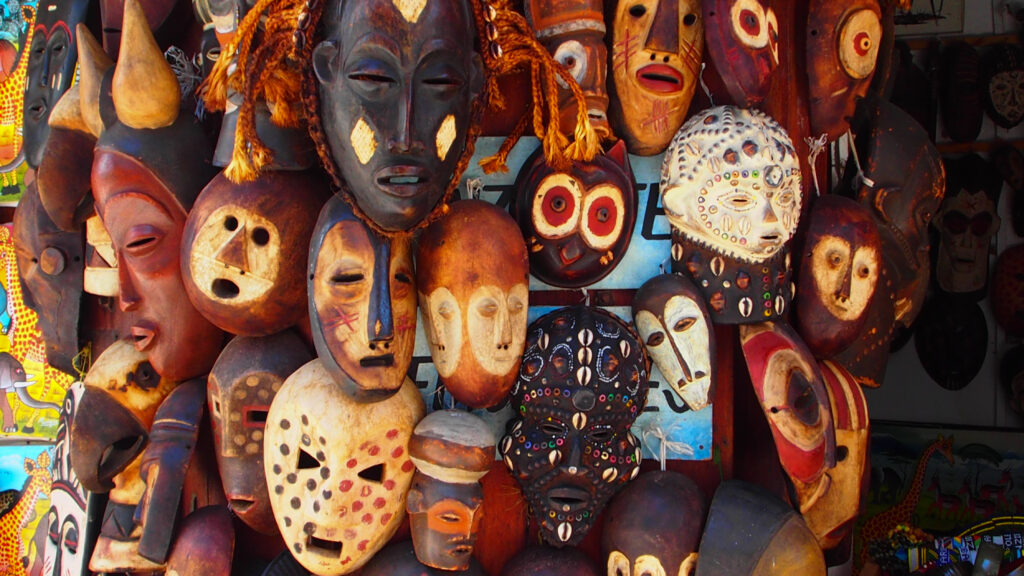
A safari isn’t just about spotting animals. It’s about connecting with the land, the culture, and the people guiding you through it. That’s where common Swahili words come in.
When you use even a few basic Swahili words, locals notice. A simple Jambo (Hello) or Asante (Thank you) shows respect and effort, helps break the ice, and can even start some meaningful conversations. Everyone you interact with during your safari (your guide, driver, staff at your lodge or hotel) will appreciate your effort, and you’re sure to get a warm and welcoming response.
Aside from opening the door to meaningful conversations, learning some Swahili in advance is quite practical. For example, you may want to ask a quick question or understand a conversation during an elephant sighting. Knowing a few Swahili words and phrases makes those moments easier and more enjoyable.
The bottom line: you’ll simply have a more immersive and enjoyable experience with common Swahili words and phrases at the ready.
Let’s start with how to pronounce some common Swahili words and then go through a list of helpful words and phrases for your safari adventure.
Common Swahili Words for Safari Settings – And How to Pronounce Them
Phonetically, how to pronounce Swahili words is actually pretty simple compared to many other languages. The language is pretty much spoken the way it’s written; in other words, Swahili is a mostly phonetic tongue.
Here are some things to keep in mind:
- Vowels are consistent
A = “ah” (like “father”)
E = “eh”
I = “ee”
O = “oh”
U = “oo” - Every letter is pronounced. Unlike many languages, silent letters in Swahili are few and far between.
- Syllable stress is consistent. Stress falls on the penultimate syllable for most Swahili words.
- For example:
- “Safari” → sah-FAH-ree
- “Asante” → ah-SAHN-teh
- For example:
- Latin alphabet. If you’re following along with a tour book or brochure in Kenya or Tanzania, one advantage you’ll enjoy is the familiar Latin alphabet, the same one you already use in English.
- Straightforward grammar. There are no irregular verbs or gendered nouns, which makes Swahili a relatively easier language to learn compared to languages with gendered nouns, irregular verbs, special grammar cases, unfamiliar word order, etc.
Thinking about your safari specifically, you’ll need a curated selection of Swahili words to start practicing.
Below are some of the most useful words and phrases for your safari. You’ll recognize one of them: safari. Safari means journey or trip in Swahili; it’s a loanword that English borrowed from Swahili to describe a specific type of trip…a wildlife expedition!
Polite, Useful Phrases & Common Responses
- Jambo! – Hello!
- Habari gani? – How are you?
- Salama. – Safe, peaceful.
- Nzuri. – Good.
- Mzuri sana. – Very good.
- Habari asubuhi! – Good morning!
- Habari za asubuhi? – How is your morning?
- Nzuri! Na wewe? – Good! And you?
- Choo kiko wapi? – Where is the bathroom?
- Hapa. – Here.
- Hapo. – There.
- Asante. – Thank you.
- Asante sana. – Thank you very much.
- Tafadhali. – Please.
Safari and Wildlife
- Safari – Journey/trip
- Mnyama – Animal
- Simba – Lion
- Tembo – Elephant
- Twiga – Giraffe
- Punda milia – Zebra
- Kifaru – Rhino
- Fisi – Hyena
- Duma – Cheetah
- Mamba – Crocodile
- Kiboko – Hippo
You’ll hear these Swahili words often during game drives, especially from guides and park rangers.
Useful Phrases
- Tazama! – Look!
- Pole pole – Slowly
- Karibu. – Welcome. / Come here.
- Ndiyo. / Hapana. – Yes. / No.
Tips for Remembering Swahili Words While Traveling
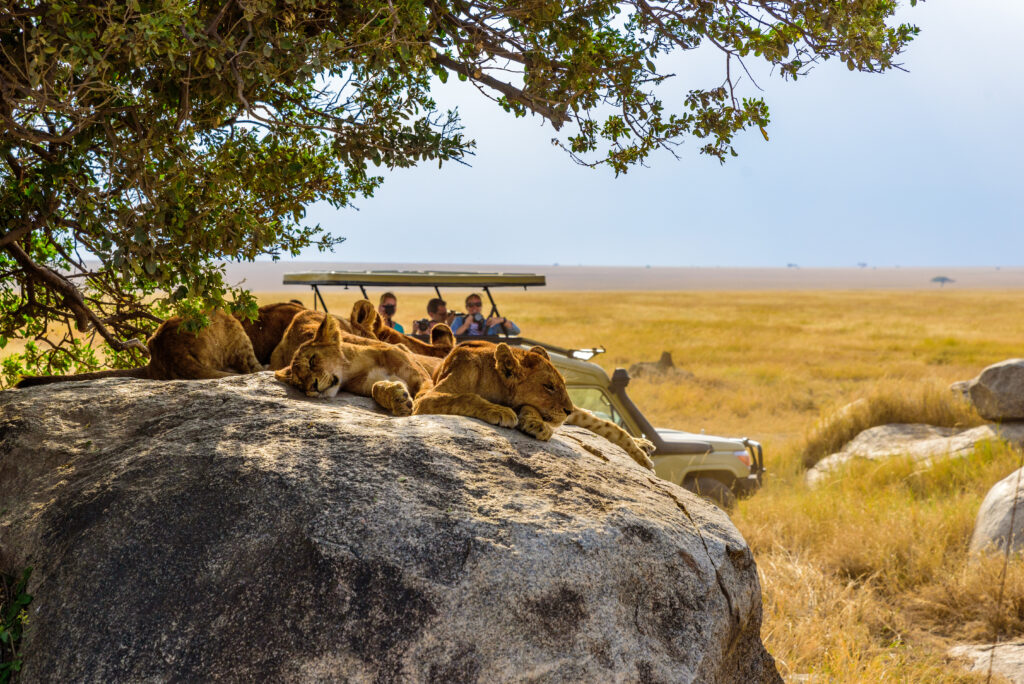
Here are a few simple ways to make your Swahili safari vocabulary stick:
Use Them Right Away
Don’t wait until you feel “ready.” Start using Swahili words and phrases the day you learn them – even if it’s only speaking aloud to yourself. You’ll make a few mistakes along the way, but it’s no big deal. The important thing is that you’re using the language in a meaningful way. The responses and feedback you receive from the people you meet will only further solidify your new Swahili terms within your memory.
Connect Words to Moments
Tie common words to real experiences.
See a lion? Think “simba.”
Receive help from someone? Say “asante.”
The more you connect language to real-life moments, the easier it is to remember.
Keep It Small
Don’t try to overload your brain with long, rambling sentences or phrases. Just concentrate on a few basic Swahili words. Language is certainly about letters, but as far as getting a working vocabulary up and running for your safari, language is also a numbers game. A handful of solid words you’ll actually use is better than a hundred you’ll soon forget.
A Few Swahili Words Make a Big Difference
While practicing a select group of Swahili words is a cool way to prepare for your trip to East Africa, you can also work on learning Swahili with Pimsleur! Being able to speak a local language conversationally brings greater cultural understanding, depth, and overall satisfaction to your vacation.
With the Pimsleur app in your pocket, you’ll have access to a wealth of Swahili language content, including our top-notch audio lessons, interactive features, key phrases, and even our AI Voice Coach to assist with your Swahili pronunciation. All of our Swahili lessons are informed by the Pimsleur Method™, which helps hone your speaking and listening skills, so you’ll learn the language like a child would. With Pimsleur, you’ll be able to speak any language with confidence, including Swahili.
Before you set out on your safari adventure, sign up for another unforgettable experience—learning Swahili with Pimsleur!